
By Dee Davidson, FDN-P
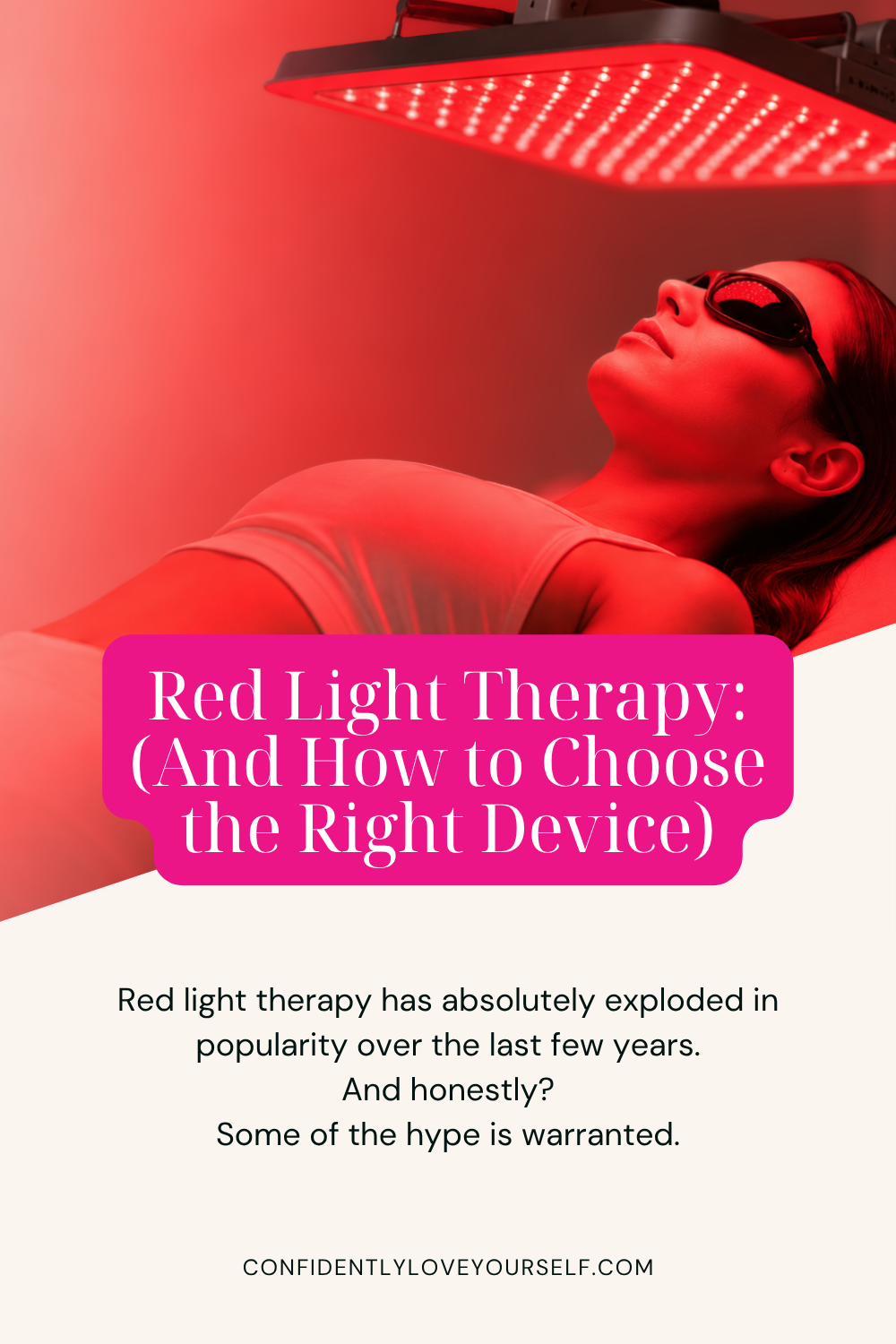
Red light therapy has absolutely exploded in popularity over the last few years.
And honestly?
Some of the hype is warranted.
When used consistently and with a quality device, red light therapy can be a beautiful supportive tool for:
Skin health
Inflammation reduction
Muscle recovery
Hair growth
Joint discomfort
Nervous system support
Cellular energy production
Here’s the important part:
Not all devices are created equal.
And in true Dee fashion… I’m always asking:
“What’s the quality? What’s the data? And what’s the hidden downside?”
While red light therapy can be incredibly beneficial, there are things many people don’t think to ask—especially around EMF exposure, device quality, wavelength accuracy, and overall safety.
Let’s break it down.
What Does Red Light Therapy Actually Do?
Red light therapy works by exposing the body to specific wavelengths of red and near-infrared light that support mitochondrial function and ATP (energy) production in cells. Research suggests it may help reduce inflammation, support collagen production, improve circulation, and encourage hair growth.
This is why people often notice improvements in:
Skin texture and fine lines
Recovery after workouts
Hair thinning
Joint stiffness
Overall energy and healing
Research also shows benefits for tissue repair, inflammation reduction, and hair follicle stimulation when appropriate wavelengths are used consistently.
I don’t view red light therapy as a “miracle fix.”
I view it as a supportive healing tool that can help lower the body’s stress load and improve recovery capacity.
From a functional perspective, I especially like it for:
Women in burnout or chronic stress patterns
Midlife skin and hormone support
Hair thinning concerns
Recovery and inflammation support
Supporting lymphatic flow and circulation
And unlike many wellness trends, this is an area where we actually do have growing scientific support behind the mechanism.
The Problem With Many Red Light Devices
This is where I get picky. I only recommend what I personally use in my home.
Many cheap devices flooding the market:
Do not disclose proper wavelengths
Have weak output
Are poorly tested
Or create unnecessary EMF exposure
And if you know me, you know I’m very mindful about reducing unnecessary toxic burdens and stress on the body.
A red light device should support your healing… not create another issue.
What To Look For in a Quality Red Light Device
Here are the things I personally care about most:
1. Correct wavelengths
The most researched wavelengths are generally:
Red light: around 630–660nm
Near infrared: around 810–850nm for deeper penetration
2. Low EMF output
This is huge for me personally.
3. Third-party testing and transparency
Not just flashy marketing.
4. Enough power output to actually make a difference
Consistency matters, but so does quality.
My Two Favorite Brands
Best Overall + Most Trusted:
LUMEBOX 2.0
This is one of my favorite recommendations because it combines:
Portability
Quality wavelengths
Ease of use
Strong power output
I love that it’s practical for busy people who actually need something they’ll use consistently.
It’s also trusted by wellness practitioners, athletes, estheticians, and healthcare professionals.
My Favorite for EMF-Conscious Wellness:
TheraSage
TheraSage is another company I deeply trust, especially because I personally know and respect the founder and their wellness philosophy.
What stands out to me:
Strong focus on reducing EMF exposure
High-quality wellness technology
More holistic design philosophy
For people who are very health conscious and trying to lower overall toxic burden, this matters.
Red Light Therapy for Hair Loss
This is one of the most common questions I get.
The research is actually pretty promising here.
Studies suggest red light therapy may:
Improve circulation to hair follicles
Reduce scalp inflammation
Help support hair regrowth when follicles are still active
That said:
Hair loss is rarely just a “hair problem.”
I’m still asking:
How are your minerals?
What’s your stress load?
Are hormones balanced?
Is blood sugar stable?
Is there inflammation or mold exposure?
Red light can support the environment… but the root cause still matters.
Red light therapy is one of my favorite wellness tools because it supports the body in a gentle, non-invasive way.
But the key is:
Choosing a quality device
Using it consistently
And understanding it works best as part of a bigger healing plan
No device replaces:
Sleep
Nervous system regulation
Mineral balance
Nutrition
Detox support
Emotional health
But when layered into a healthy lifestyle, it can absolutely be a powerful support tool.
*Medical Disclaimer: This information is for educational purposes only and is not intended to diagnose, treat, cure, or replace medical advice. Please consult your healthcare provider before making changes to your healthcare routine.
About Dee Davidson, FDN-P
Dee Davidson is a Board-Certified Functional Health Practitioner, hormone and thyroid specialist, and the creator of the Confidently Balance Your Hormones podcast. She helps women in midlife and beyond uncover the root causes of fatigue, weight gain, anxiety, gut issues, and hormonal imbalances using functional labs, science-backed strategies, and nervous system regulation.
Dee’s work centers around empowering women to finally feel safe, seen, supported, and confident in their bodies — without restriction, overwhelm, or confusion.