
By Dee Davidson
When most people hear the words “blood sugar,” they immediately think of diabetes. But blood sugar regulation matters to all of us.
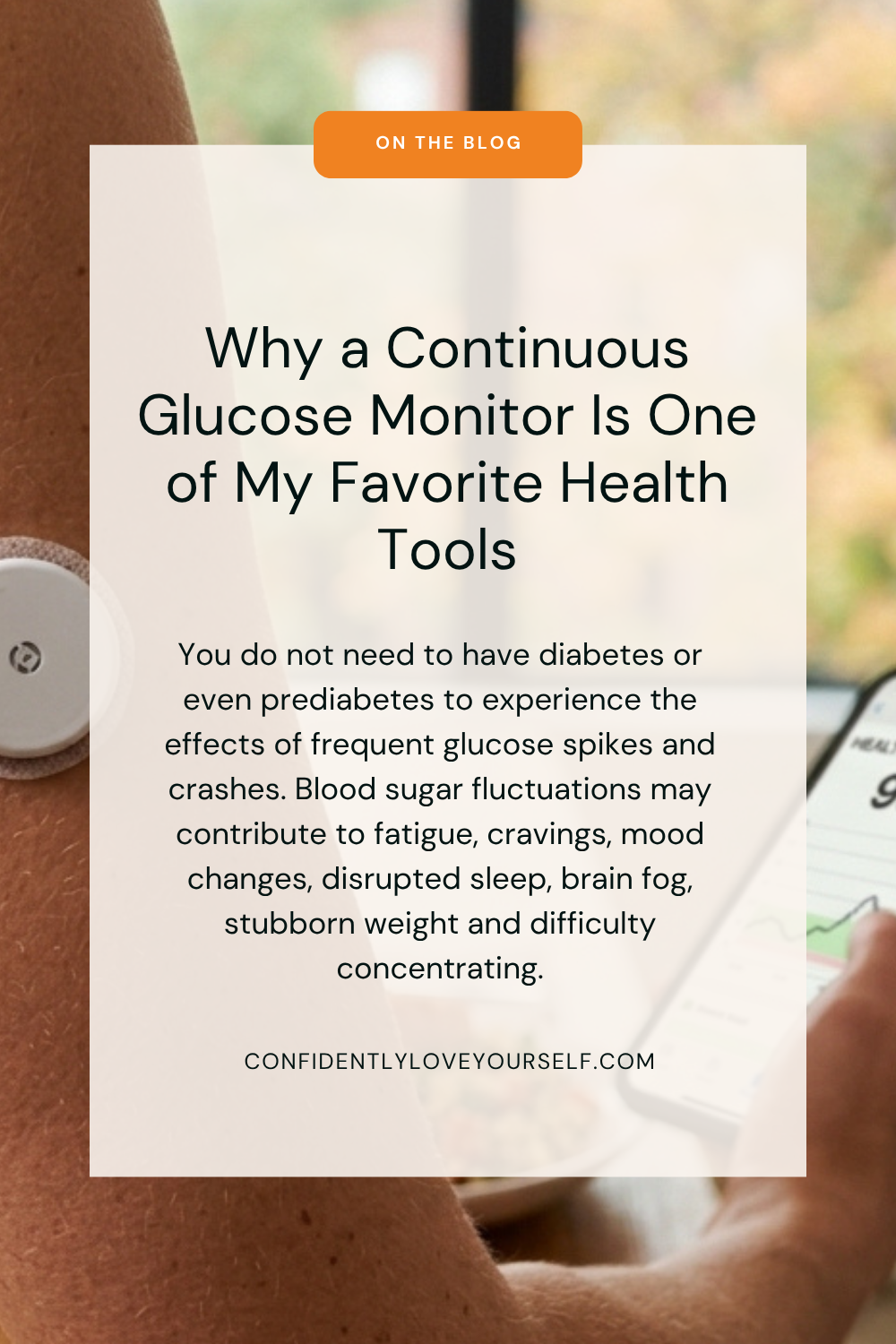
You do not need to have diabetes or even prediabetes to experience the effects of frequent glucose spikes and crashes. Blood sugar fluctuations may contribute to fatigue, cravings, mood changes, disrupted sleep, brain fog, stubborn weight and difficulty concentrating.
This is why a continuous glucose monitor, also known as a CGM, has become one of my favorite tools in my functional health practice.
What Is a Continuous Glucose Monitor?
A CGM is a small wearable sensor that tracks glucose levels throughout the day and night. Instead of receiving one snapshot from fasting bloodwork, you can observe your individual patterns in real time.
It can help you understand:
How your body responds to specific foods
Which meals keep you satisfied and energized
Whether certain foods create a large glucose spike
How stress affects your blood sugar
How sleep influences your glucose patterns
What happens when you eat carbohydrates by themselves
How walking after a meal changes your response
Whether meal timing makes a difference
How exercise, hydration and supplements may affect you
This information takes you beyond generalized nutrition advice. It shows you what is happening in your own body.
Why Blood Sugar Stability Is Foundational to Health
Your body works hard to keep glucose within a carefully regulated range. When glucose rises, insulin helps move it from the bloodstream into your cells, where it can be used for energy or stored for later.
Occasional fluctuations are normal. The concern is when someone repeatedly experiences significant spikes followed by uncomfortable crashes.
Supporting healthy blood sugar regulation may help with:
More consistent energy
Fewer afternoon crashes
Reduced sugar and carbohydrate cravings
Better appetite regulation
Improved mental clarity
More stable moods
Restful sleep
Healthy hormone signaling
Easier weight management
Better metabolic health
Reduced stress on the body
Blood sugar is also closely connected to cortisol, sleep, movement, meal timing and hormone changes. This can become especially important during perimenopause and menopause, when many women notice that their bodies respond differently to foods, stress and exercise.
A CGM Helps Remove the Guesswork
One of the most valuable things about a CGM is that it replaces assumptions with personal information.
A food labeled “healthy” may work beautifully for one person while creating a significant glucose response for someone else. Oatmeal, fruit, smoothies, gluten-free snacks and even certain protein bars can affect each body differently.
It is not about fearing food or trying to create a perfectly flat glucose line. Glucose is supposed to rise after eating. The goal is to notice patterns and learn which combinations support a more balanced response.
Sometimes small changes can make a meaningful difference:
Adding protein, fiber or healthy fat to a meal
Eating vegetables and protein before carbohydrates
Avoiding carbohydrates by themselves
Taking a short walk after eating
Prioritizing sleep
Eating earlier in the evening
Reducing stress before meals
Choosing a more supportive breakfast
A CGM allows you to test these strategies and see how your body responds.
Why I Use Theia Health
My favorite CGM platform is Theia Health. Theia combines glucose information with meal, activity, sleep and lifestyle tracking, making the data easier to understand and use.
You can log meals, movement and other activities while the app pairs those choices with your glucose response. This allows us to look for meaningful patterns rather than focusing on one isolated number.
The greatest value is not simply collecting information. It is learning how to turn that information into practical, sustainable changes.
Learn more about Theia Health and continuous glucose monitoring
Knowledge Creates Empowerment
A CGM is not meant to make you obsessive about every bite of food or every number. I use it as a short-term educational tool that can help you understand your metabolism and make more confident choices.
When you can see how your meals, stress, sleep and movement affect your body, you no longer have to rely entirely on guessing.
Your blood sugar influences far more than your energy after a meal. Supporting healthy glucose regulation can create a stronger foundation for your hormones, metabolism, mood, sleep and long-term health.
If you are curious about using a CGM and would like personalized support interpreting your patterns, reach out to learn whether Theia may be a good fit for you. Dee@confidentlyloveyourself.com
Medical Disclaimer: This article is for educational and wellness purposes only and is not intended to diagnose, treat, cure, or prevent disease or replace individualized medical care. Supplements are not appropriate for everyone and may interact with medications or medical conditions. HTMA cannot diagnose mineral deficiencies, thyroid disease, blood sugar disorders, nervous system disorders, toxicity, or other medical conditions. Vitamin D status is best evaluated with appropriate blood testing when indicated. Consult your physician or qualified healthcare provider regarding supplements, testing, or significant changes to your health routine.